
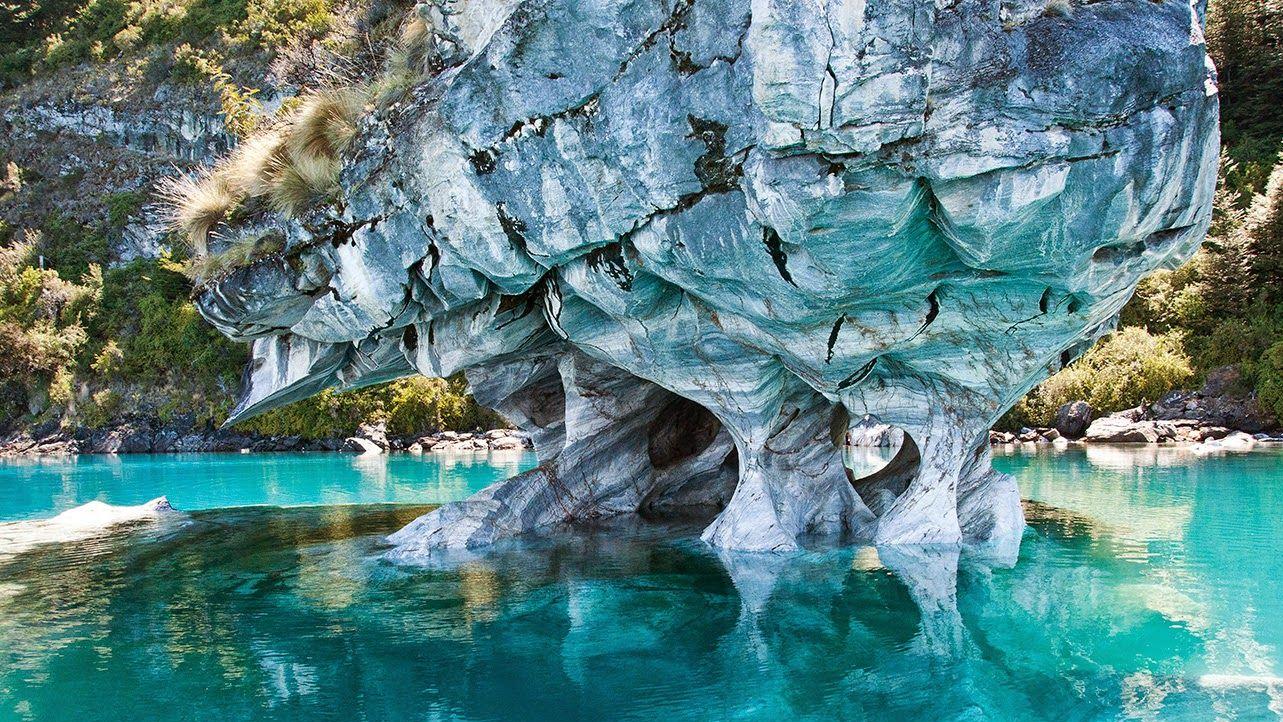
The Chilean government, in collaboration with public and private organizations, is advancing the creation of the country’s first geopark located in the Aysén Region—specifically the province of General Carrera. The initiative is part of the Geo‑Heritage Management Program, led by the Regional Government Foundation (Corfo) and the Regional Mining Authority (Seremi de Minería), with execution by the National Cultural Heritage Service through the Regional Museum of Aysén.
Key Details:
-
The project, officially launched in early April 2024 through community events in Villa Cerro Castillo and Chile Chico, marks the beginning of a 14‑month plan to establish the Chelenko Geopark, potentially Chile’s first UNESCO Global Geopark. I
-
It focuses on highlighting Aysén’s exceptional geological and paleontological heritage—including fossils like Chilesaurus diegosuarezi, plesiosaurs, and Burkesuchus mallingrandensis—while integrating conservation with local development.
Objectives and Institutional Roles:
-
Ana Macías Palma, Regional Governor of Aysén, emphasized the initiative’s role in valuing biological, geological, and cultural heritage to benefit local communities.
-
Carolina Pérez Dattari, Undersecretary of Cultural Heritage, noted that realizing a UNESCO-recognized geopark brings educational access, sustainable development, and scientific growth to the region.
-
Humberto Marín Leiva, Corfo Aysén’s director, described the project as transformational, aiming to position Aysén as a global leader in geodiversity and sustainable innovation under the UNESCO Global Geoparks network.
Multiple public institutions and local stakeholders—including the municipalities of Río Ibáñez and Chile Chico, Sernatur, Sernageomin, Universidad Andrés Bello, and the Chelenko Corporation—are participating in planning and execution.
What Happens Next?
Over the projected 14-month period, the project will:
-
Delimit the geopark’s boundaries and identify key geosites with high scientific and tourist interest.
-
Establish a community-centered management and governance plan.
-
Conduct geological, biological, and cultural inventories.
The geopark is intended not only to preserve and educate but also to empower local communities through pride, identity, and socioeconomic opportunities. Upon completion of this design phase, Chile hopes to submit the geopark for official recognition by the UNESCO Global Geoparks Network, making it the first in the region and one of relatively few in South America.